
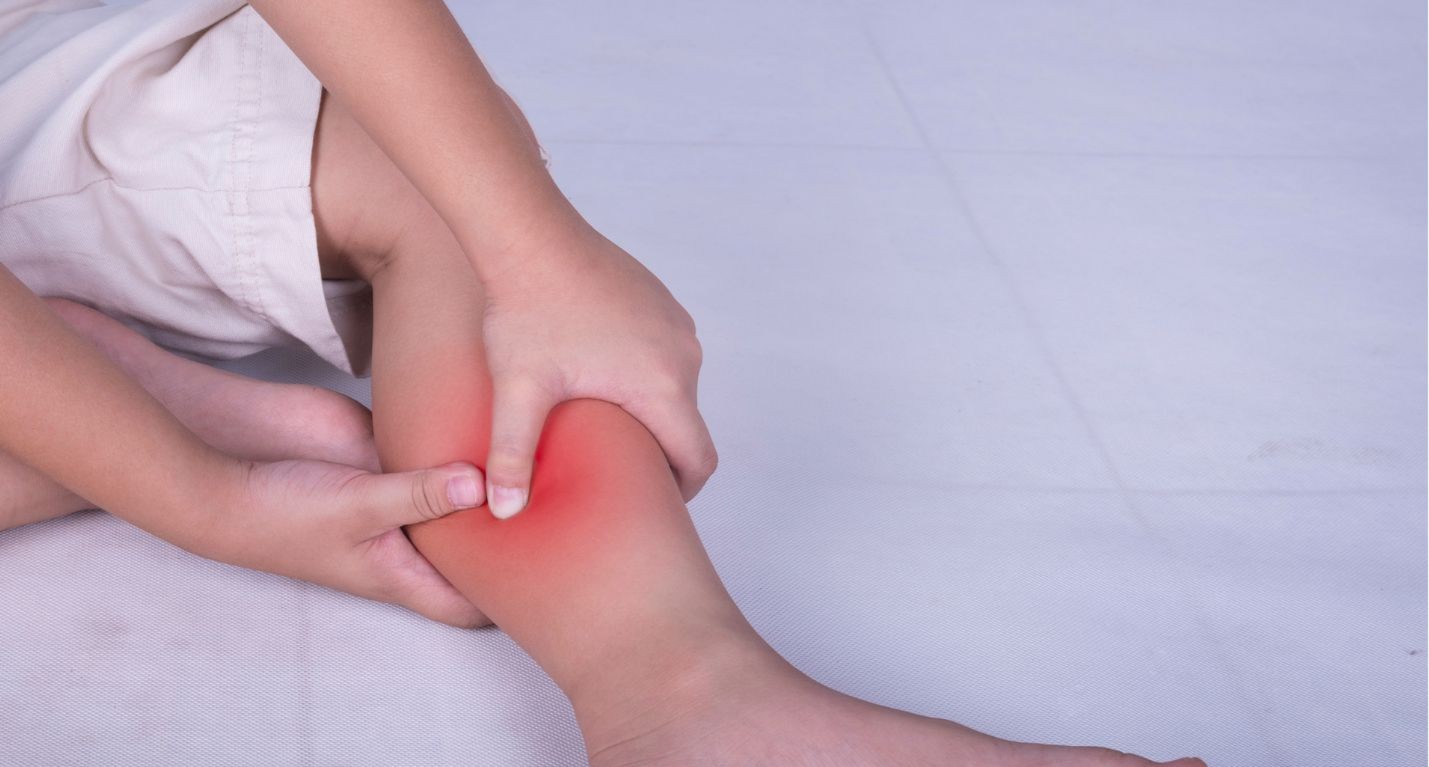
From growth spurts to sporting strains
Children grow quickly.
Sometimes it feels like overnight. One week, the school trousers fit perfectly. Next they’re ankle-length – and we’re all pretending buying new uniforms is a joyful way to spend money (while actually loving that they’re growing.)
With all that growing, moving, climbing, running, slouching over homework, carrying heavy school bags and launching themselves enthusiastically into sport, it’s not unusual for kids to feel the occasional ache or pain, but sometimes it’s more…
Wondering whether your child’s aches and pains are just part of growing up? Call Altona Meadows Osteopathy on (03) 8360 8363 to book an appointment with one of our osteopaths. We’re happy to chat about whether osteopathic care may be suitable for your child.
Growing bodies go through a lot
Children’s bodies are constantly adapting.
Bones lengthen. Muscles work to keep up. Coordination changes. Posture shifts. Activity levels rise and fall. Sometimes all in the space of a few months.
During growth spurts, kids may notice aching legs, sore heels, tight muscles, stiffness after sport, or simply feeling a bit uncomfortable in their body in ways they didn’t before. It makes sense – imagine waking up one morning, and your legs are just suddenly longer – you’re going to be clumsy and achey.
Because growth doesn’t happen evenly, it can sometimes feel like the body is catching up with itself. A child may suddenly move differently, become less coordinated for a while, or complain of soreness after activities they usually manage comfortably.
What about posture?
Posture is one of the most common things parents notice.
Maybe your child suddenly slouches over the table. Maybe one shoulder always seems higher when they’re wearing a backpack. Maybe they curl around a book, laptop or phone like they’re trying to become part prawn.
Posture changes throughout childhood and adolescence are very common. Bodies are developing quickly, and habits around sitting, studying, gaming, carrying bags and activity all play a role.
Osteopaths don’t usually look for “perfect posture”. There’s no gold-star upright position children need to hold all day.
Instead, osteopathic assessment looks at movement, comfort, mobility and whether the body is coping well with the demands being placed on it. That said, we encourage kids to remember to load their spines with consideration – carry their bags with both straps, pack sensibly, etc. We don’t encourage parents to nag… since we know this would be counterproductive…
Are growing pains a real thing?
Yes – growing pains are real, and they’re very common in children and teens.
They’re often felt as aching or throbbing discomfort, usually in the legs. Many children notice them later in the day or in the evening, and sometimes after a particularly active day.
Despite the name, we still don’t fully understand why growing pains happen. They aren’t thought to be caused directly by bones growing, but they are a recognised pattern of childhood pain.
Because pain in children can have different causes, persistent pain, swelling, limping, reduced activity, or pain that keeps waking a child overnight is worth discussing with a health professional.
Sport, bumps and busy bodies
Children are experts at movement. They’re also experts at falling off things.
Running, jumping, dancing, gymnastics, football, netball, skateboarding, climbing the furniture as though it’s an Olympic event – it all places demands on growing bodies.
With sport and activity can come muscle soreness, sprains, strains, overuse discomfort, or recovery from minor injuries.
Osteopaths commonly work with musculoskeletal aches and pains, helping assess movement, joint mobility and soft tissue tension. For active kids, treatment may also be paired with advice around activity modification, movement, recovery and returning comfortably to sport where appropriate.
What happens during a paediatric osteopathic appointment?
A first appointment usually starts with questions.
Your osteopath will ask about what your child has been experiencing, when symptoms started, what seems to make things better or worse, their activity levels, general health, and any relevant medical history. We like to hear what they have to say first, even if the parents’ interpretation helps!
Assessment is guided by your child’s age, symptoms and comfort.
This may include looking at posture, movement, mobility, balance, flexibility, and how they move through everyday activities like walking, sitting or bending.
If hands-on treatment is appropriate, techniques are gentle and adapted to the child. Osteopaths aim to work within the child’s comfort level, and parents or carers are typically present during appointments.
If something doesn’t seem musculoskeletal or requires further investigation, your osteopath may recommend follow-up with your GP or another healthcare provider.
When should you consider booking?
Every child gets the occasional bump, ache or complaint of “my legs feel funny”.
But it may be worth seeking advice if your child has:
- recurring aches or pains that don’t seem to settle
- discomfort affecting sport, sleep or daily activities
- postural changes you’re concerned about
- soreness after rapid growth or increased activity
- movement that seems stiff, uneven or uncomfortable
- pain after a sporting strain or minor injury that isn’t improving as expected
Sometimes reassurance is the most helpful outcome. Sometimes a little support with movement and comfort can help. Either way, having it assessed can give parents clearer answers and a plan for what to do next.
Growing up keeps everyone busy – especially the body.
And while children are usually wonderfully resilient, sometimes their muscles and joints appreciate a little support keeping up with the rest of them.
If your child is experiencing growing pains, postural discomfort, or soreness related to sport or everyday movement, call Altona Meadows Osteopathy on (03) 8360 8363 to make an appointment with our osteopath. And for more health tips, movement advice and occasional reminders that children seem to grow faster than laundry piles, follow us on social media. We’re on Facebook and Instagram.
Information provided here (including text, graphics, images, outbound links, and other material) is for informational purposes only. It is general in nature and is not to be used or considered as a substitute for personalised professional medical advice, diagnosis, or treatment. Always seek the advice of your qualified allied health provider regarding any symptoms, medical conditions, or treatments and before undertaking any new health care regimen.