The surgery’s done, the stitches are out, and everyone says you’re “healed.” So why doesn’t your body quite agree? Sometimes recovery feels less like a clean cut and more like a puzzle that needs gentle piecing together — and that’s where osteopathy steps in.
Gentle osteopathic treatment may help support your recovery by improving movement, easing discomfort, and helping your tissues heal more comfortably after surgery.
If you’d like to explore whether post-surgical osteopathic care could help you, call Altona Meadows Osteopathy on (03) 8360 8363 to make an appointment.
Understanding what happens after surgery
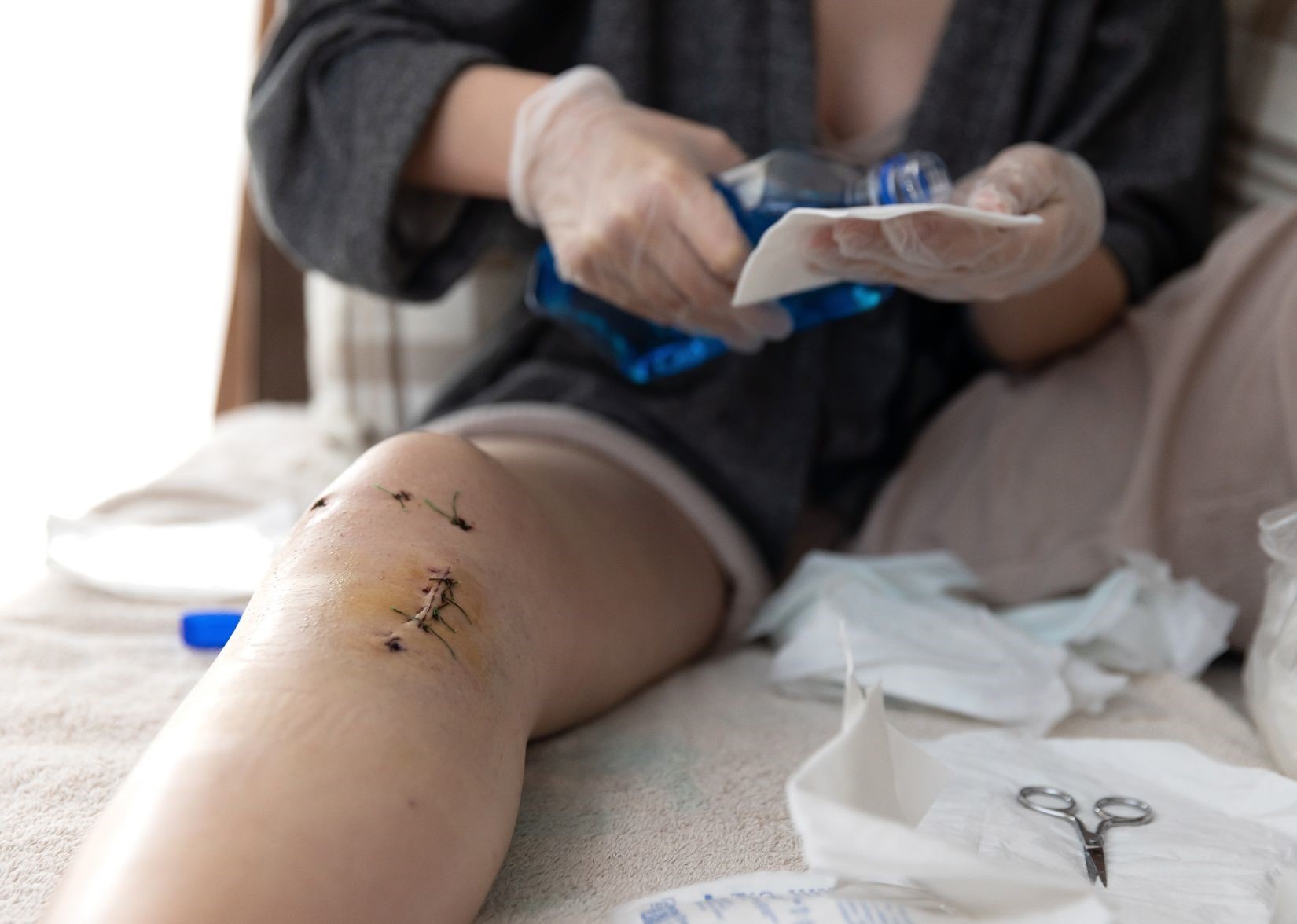
Whether you’ve had orthopaedic surgery (such as a joint replacement or ligament repair) or abdominal surgery (like a hernia or bowel procedure), your body goes through a complex healing process. During the first weeks, fibroblasts produce collagen to repair the surgical site. This scar tissue is strong but less elastic than the original tissue.
Scar tissue can form adhesions, small bands of connective tissue that bind layers of fascia, muscles, or organs together. These adhesions can restrict movement, limit circulation, and alter normal biomechanics. Even after the wound looks healed, stiffness, pulling, or deep tightness may remain.
Osteopaths understand that the body functions as an integrated unit – restrictions in one area can affect movement elsewhere. Osteopathic treatment works gently to restore balance and mobility across these interconnected systems.
How osteopathy works to support healing
Osteopaths use hands-on techniques designed to work with your body’s natural repair mechanisms. The aim is not to “undo” surgical work but to help tissues recover their best possible function.
Encouraging tissue healing
Healthy blood and lymphatic flow are essential after surgery. Gentle myofascial release and lymphatic techniques promote fluid movement, helping reduce swelling and support nutrient delivery to the healing tissues. Improved circulation also clears metabolic waste, creating a more efficient healing environment.
Reducing scar tension and adhesions
Over time, collagen remodels in response to movement and tension. Light osteopathic techniques can guide this process, encouraging fibres to align along natural movement lines rather than forming stiff, disorganised bundles. Mobilising surrounding fascia can reduce pulling sensations and improve comfort during movement.
Restoring mobility
Nearby joints and muscles often stiffen after surgery because of pain, guarding, or protective postures. Muscle energy techniques, where muscles are gently contracted and relaxed, help reset tone, restore symmetry, and improve joint range of motion.
Supporting internal function
After abdominal surgery, connective tissue around organs or the diaphragm can affect digestion and breathing. Gentle visceral techniques aim to restore natural motion between organs, supporting bowel function and respiratory movement.
When osteopathic care may be appropriate
Osteopathy is never a substitute for post-operative medical care but may complement recovery once your surgeon confirms tissues are stable. Early sessions focus on reducing swelling and improving circulation. As healing progresses, more active techniques are gradually introduced to restore mobility and coordination.
Recovery goals might include:
- Reducing discomfort and stiffness
- Improving movement and flexibility
- Supporting normal breathing and digestion
- Enhancing scar mobility
- Promoting overall balance and ease of motion
Each session is tailored to your procedure, healing stage, and comfort level. Your osteopath will coordinate with your healthcare team to ensure treatment remains safe and effective.
Safety and comfort
Post-surgical osteopathic treatment is gentle and adapted to your needs. Incisions are avoided until fully healed, and low-force methods prevent strain on tissues. Sharp pain should never occur — only light pressure, movement, or a sense of release.
Mild soreness after treatment is normal as your body adjusts, but should settle within 24–48 hours. If swelling, redness, or other concerning symptoms appear, contact your healthcare provider promptly.
The goal: restoring comfort and confidence
Surgery can affect not just your wound, but how you move, breathe, and feel in your body. Osteopathy supports this process by improving how tissues interact, how joints move, and how your body coordinates healing.
Many patients describe feeling “more connected” or “freer” after treatment, as if their body is moving in harmony again. The goal is to help you feel comfortable, confident, and supported as you return to normal activities.
If you’d like to explore how osteopathy may support your recovery, call Altona Meadows Osteopathy on (03) 8360 8363 to make an appointment. And for more insights into movement, healing, and wellbeing, follow us on social media – it’s the only time we’ll encourage you to stay post-operative online.
Information provided here (including text, graphics, images, outbound links, and other material) is for informational purposes only. It is general in nature and is not to be used or considered as a substitute for personalised professional medical advice, diagnosis, or treatment. Always seek the advice of your qualified allied health provider regarding any symptoms, medical conditions, or treatments and before undertaking any new health care regimen.
References
When needed, we research our content using a range of sources across both web and books. Regular references we use include:
- Foundations of Osteopathic Medicine, 4th ed. Seffinger et al. 2019
- Thieme Atlas of Anatomy, 4th ed. Gilroy et al. 2021.
- Clinical Sports Medicine: Injuries, 5th ed. Brukner & Khan. 2017.
- Principles of Anatomy & Physiology, 13th ed. Tortora & Derrickson. 2011.
- Differential Diagnosis and Management for the Chiropractor. 5th ed. Souza. 2016.
- Physiopedia website – https://www.physio-pedia.com/home/
- Pubmed website for latest articles – https://pubmed.ncbi.nlm.nih.gov/
- Google Scholar for latest articles – https://scholar.google.com/
- World Health Organisation website – https://www.who.int/
- Osteopathy Australia website – https://osteopathy.org.au/
- Australian Physiotherapy Association website – https://australian.physio/
- Chiropractic Australia website – https://www.chiropracticaustralia.org.au/
- Professional bodies websites and health conditions charity websites, like Arthritis Australia – https://arthritisaustralia.com.au/