
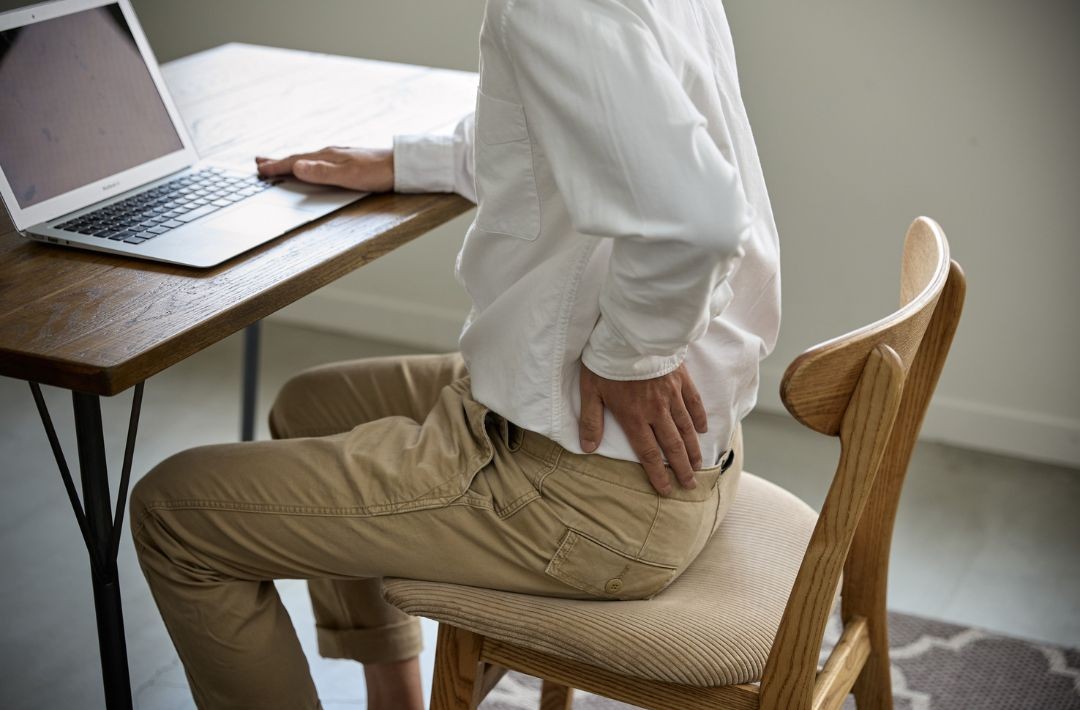
If your back has a habit of “going out” at the worst possible moment, you are not alone. Low back pain is one of the most common reasons adults miss work, limit activity and seek hands-on care. For many people, the real frustration is not the first episode – it is the repeating cycle of flare, rest, partial recovery and then re-injury.
If this sounds familiar, call (03) 8360 8363 to book an appointment at Altona Meadows Osteopathy. A clear, structured plan can make all the difference.
What persistent low back pain looks like
Recurrent low back pain often follows recognisable patterns. You might notice:
• A dull ache across the belt line after long periods of sitting
• Sharp pain when bending, lifting or twisting
• Morning stiffness that eases with movement
• Repeated “twinges” during sport or manual work
Over time, some people begin to describe their back as fragile or unpredictable. Fear of movement can creep in. Activity levels drop, strength and coordination decline, and the spine becomes less tolerant to normal daily loads.
It is important to remember that not all back pain is the same. Red flags that warrant urgent medical review include unexplained weight loss, fever, significant trauma, changes in bladder or bowel control, or progressive weakness or numbness in the legs. An osteopath will screen for these and refer appropriately if required.
For most persistent cases, however, the issue is not serious structural damage. It is more commonly a mix of load management challenges, movement habits and reduced tissue resilience.
How osteopathy assesses the whole person
Osteopathy focuses on how your body moves and distributes load. The lumbar spine does not function in isolation. It relies on coordinated support from the hips, pelvis, thoracic spine, abdominal wall, diaphragm and even the feet.
Your osteopath may assess:
Movement patterns
Simple screens such as bending, squatting, stepping and rotating can reveal stiffness, asymmetry or poor motor control. For example, restricted hip movement can increase stress through the lower back.
Pelvic mechanics and load transfer
The pelvis connects the spine and legs. If it does not transfer force efficiently during walking, running or lifting, the lumbar segments may become overloaded.
Fascial tension
Fascia is the connective tissue that surrounds muscles and organs. Increased tension through the thoracolumbar fascia can contribute to stiffness and altered movement.
Breathing patterns
The diaphragm supports both breathing and spinal stability. Shallow, upper chest breathing may reduce deep core engagement and increase strain through the lower back.
By examining these interconnected systems, your osteopath aims to identify why pain keeps returning, not just where it is felt.
Practical self-management strategies
Breaking the flare-rest cycle requires more than waiting for pain to settle. Active strategies build confidence and resilience.
Graded activity
Rather than avoiding movement, we gradually reintroduce it. You might begin with shorter walks, lighter lifts or modified duties, then progress steadily. The goal is consistent improvement rather than boom-and-bust effort.
Sleep and recovery
Prioritise consistent sleep routines and supportive positions. A pillow between the knees when side-lying, or under the knees when lying on your back, may reduce strain on the lumbar spine.
Workstation awareness
If you sit for long periods, take micro-breaks. Stand, stretch or walk for one to two minutes every 30 to 60 minutes. Position your screen at eye level and keep your hips level with or slightly higher than your knees.
Targeted exercises
Early rehabilitation often focuses on coordination before heavy strengthening. Examples may include gentle abdominal bracing while breathing normally, glute bridges to support hip extension, side-lying clams to activate lateral hip muscles, and bird-dog variations to integrate trunk and limb control.
Your osteopath will tailor exercises to your current capacity and functional goals.
When hands-on care can help
Manual treatment can reduce pain and improve mobility, creating a window for effective rehabilitation. Techniques may include joint mobilisation to improve range, soft-tissue techniques to reduce muscle tension, and progressive exercise prescription to build strength and endurance.
Osteopathic care does not rely solely on passive treatment. It combines hands-on therapy with education and active rehabilitation to support longer-term change. Outcomes vary between individuals, but many people report improved function and confidence when treatment is paired with a structured home program.
Returning to normal life
The aim is not just short-term pain relief. It is restoring capacity for work, sport and daily activities.
Pacing helps you build tolerance without triggering major flares. This involves planning activity, allowing recovery and increasing load gradually.
Relapse prevention focuses on recognising early warning signs such as stiffness, fatigue or reduced movement. A short reset with modified activity and key exercises can often prevent a full flare.
If pain persists, worsens or changes in nature, reassessment is important. Bodies adapt to stress, workload and life demands, and your management plan may need updating.
Conclusion
Recurrent low back pain does not have to define your routine. With a whole-body assessment and a progressive strategy, many people can move beyond the flare-rest-reinjure cycle and build greater resilience.
If you are ready to move with more confidence, book a comprehensive back assessment at Altona Meadows Osteopathy by calling (03) 8360 8363. You will receive an individualised home program and a structured follow-up plan designed to support lasting function.
PS: Why not follow us on social media for more osteopathic insights. We’re on Facebook and Instagram.
Information provided here (including text, graphics, images, outbound links, and other material) is for informational purposes only. It is general in nature and is not to be used or considered as a substitute for personalised professional medical advice, diagnosis, or treatment. Always seek the advice of your qualified allied health provider regarding any symptoms, medical conditions, or treatments and before undertaking any new health care regimen.
References
When needed, we research our content using a range of sources across both web and books. Regular references we use include:
- Foundations of Osteopathic Medicine, 4th ed. Seffinger et al. 2019
- Thieme Atlas of Anatomy, 4th ed. Gilroy et al. 2021.
- Clinical Sports Medicine: Injuries, 5th ed. Brukner & Khan. 2017.
- Principles of Anatomy & Physiology, 13th ed. Tortora & Derrickson. 2011.
- Differential Diagnosis and Management for the Chiropractor. 5th ed. Souza. 2016.
- Physiopedia website – https://www.physio-pedia.com/home/
- Pubmed website for latest articles – https://pubmed.ncbi.nlm.nih.gov/
- Google Scholar for latest articles – https://scholar.google.com/
- World Health Organisation website – https://www.who.int/
- Osteopathy Australia website – https://osteopathy.org.au/
- Australian Physiotherapy Association website – https://australian.physio/
- Chiropractic Australia website – https://www.chiropracticaustralia.org.au/
- Professional bodies websites and health conditions charity websites, like Arthritis Australia – https://arthritisaustralia.com.au/